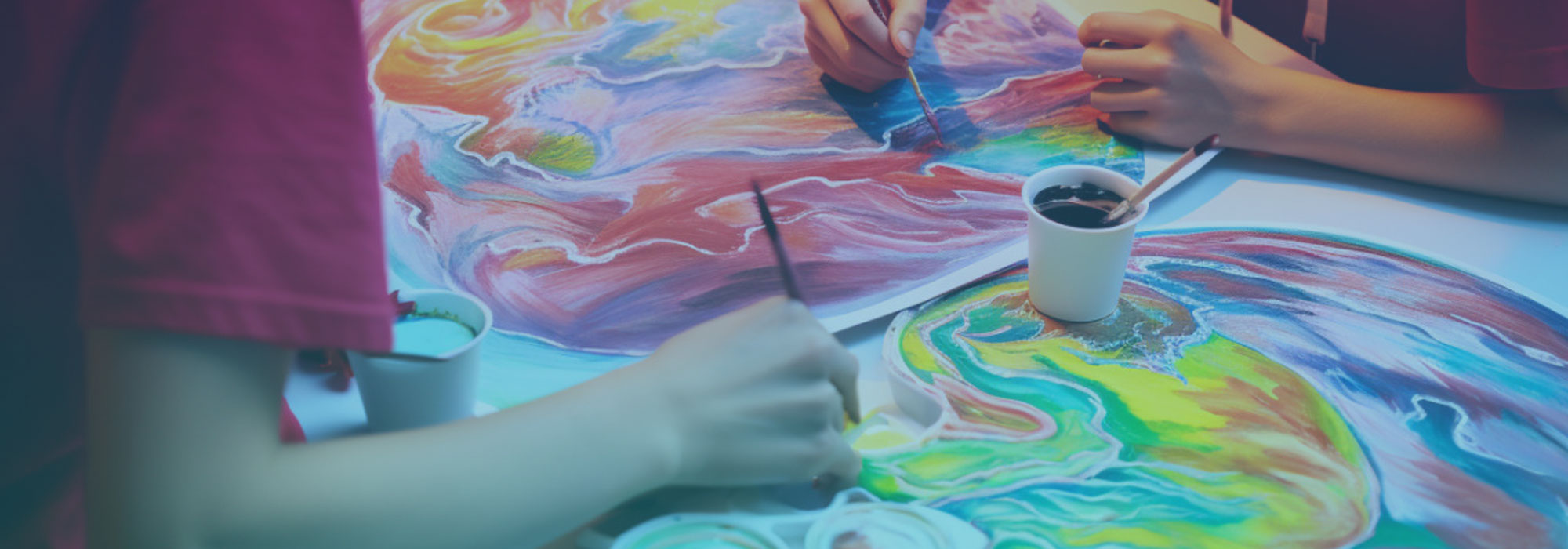
Art therapy in Dubai at Dr. Sami Alhashmi Medical Center is a therapeutic practice that uses creative processes such as drawing, painting, and sculpting to help individuals express themselves, explore their emotions, and improve their mental health and well-being.
Know your child’s personality through their drawing
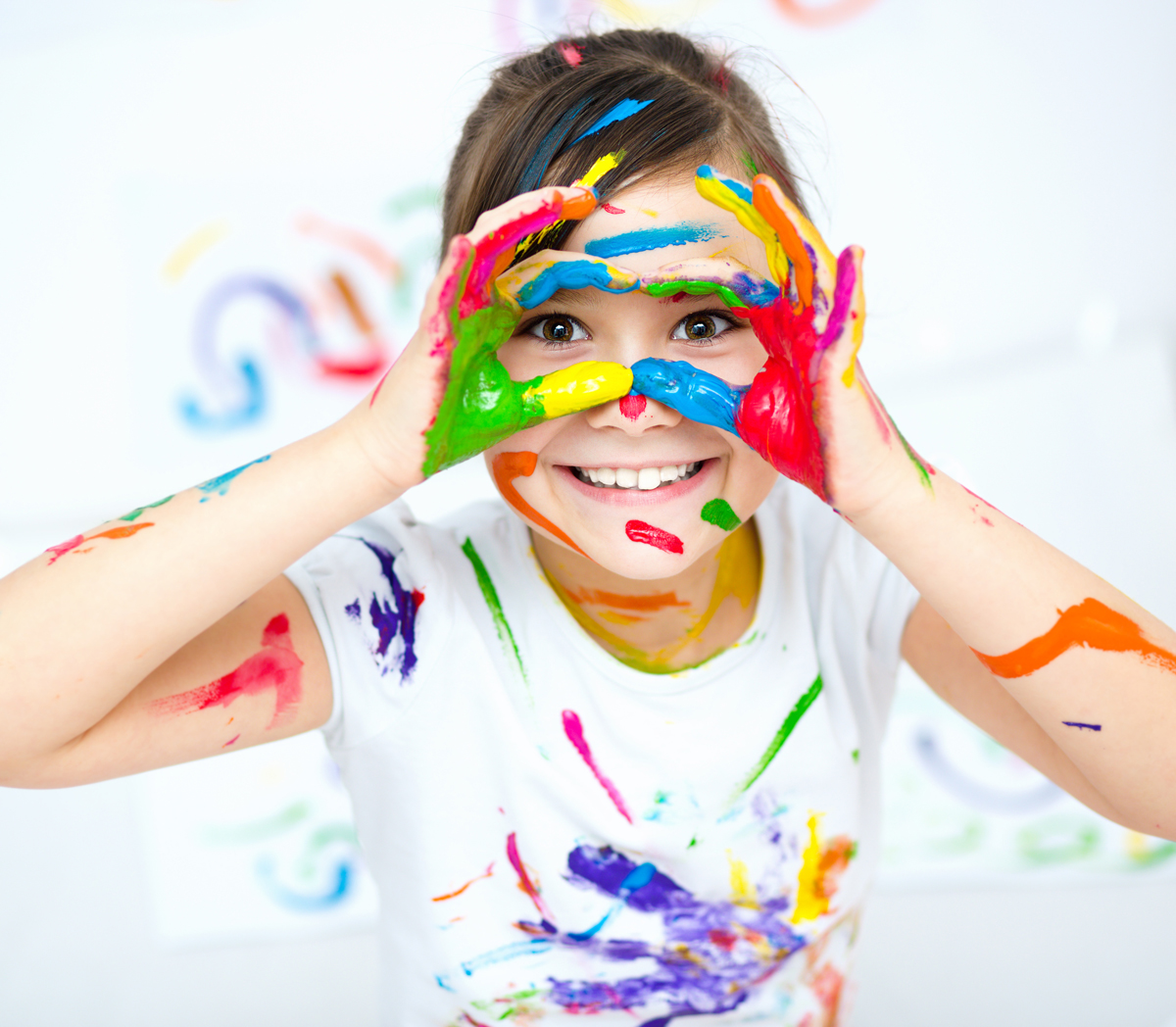
The core of art therapy is to provide a non-verbal medium for self-expression. This is particularly useful for children, who might find it challenging to articulate their feelings through words.
Graphology, the study of handwriting, and the psychoanalysis of signatures offer fascinating insights into an individual’s personality and psychological state. By analyzing the various aspects of a person’s handwriting and signature, graphologists can infer traits such as emotional stability, social behavior, and even potential mental health issues.
Art therapy also fosters emotional regulation and resilience in children. By engaging in drawing, painting, or other creative activities, children can explore difficult emotions in a safe and structured environment. This process not only helps them understand and manage feelings like anger, fear, or sadness, but also builds self-confidence and coping skills that carry over into everyday life. Over time, the combination of creative expression and psychological insight can support healthier emotional development and overall well-being.
Treatment Provided for?
- Chronic cardiac conditions including ischemic heart diseases, heart failure, and arrhythmia.
- Hypertension, including CKD cases.
- Cardiovascular disease in pregnancy
- Cardiac CT scan, trained by the SCCT
Key elements of art therapy for Children
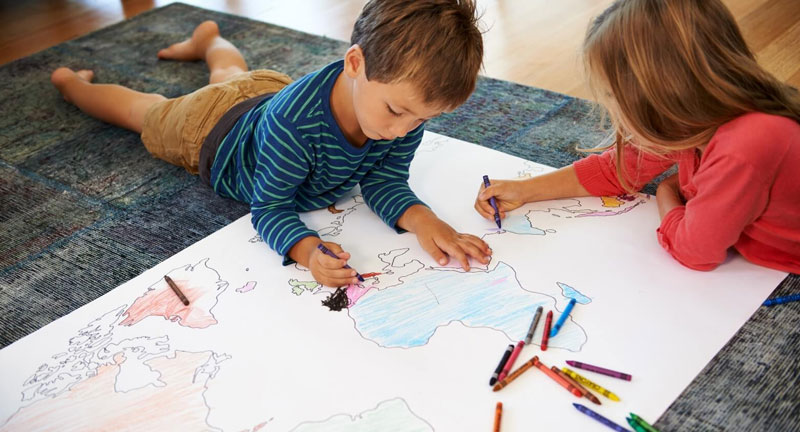
Art therapy provides children with a unique and supportive way to explore their emotions, develop self-awareness, and foster personal growth. By engaging in creative processes within a safe and nurturing environment, children can express themselves freely, build emotional resilience, and gain insights into their thoughts and feelings. Key elements of art therapy for children includes:
Therapeutic Creativity
This principle highlights the importance of art-making as a tool for children to express themselves and explore their emotions. The creative process allows young ones to convey their feelings and thoughts in a meaningful way.
Holistic Approach
Art therapy integrates various therapeutic practices to provide a comprehensive and multidimensional healing experience for children. This approach ensures that kids receive support on multiple levels of their well-being.
Non-verbal Expression
Art therapy offers children a medium to express complex emotions and thoughts without needing words. This makes it especially beneficial for kids who may find verbal communication challenging.
Self-Discovery and Insight
Through creating art and reflecting on their work, children can gain valuable insights into their personal experiences and emotional states, fostering self-awareness and understanding.
Emotional and Psychological Safety
Art therapy creates a supportive and non-judgmental environment where children feel safe to take risks in their expression. This safety net encourages genuine emotional expression and personal growth.
Therapeutic Relationship
A trusting and empathetic relationship between the therapist and the child is essential in art therapy. This bond facilitates meaningful artistic expression and supports personal development and healing for young ones.
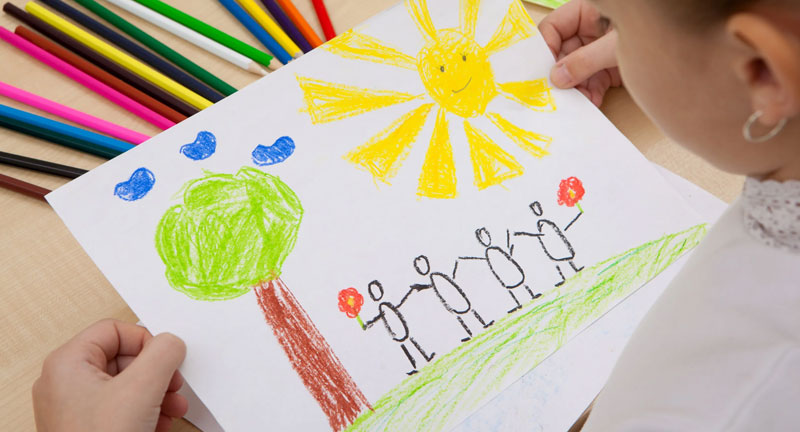
Conditions that art therapy sessions help with:
- Harassment cases
- Family problems
- Special needs cases (Autism, Down syndrome, blindness, dyslexia, etc)
- Emotional and behavioral issues
- Mental health issues
- Learning struggles
- Bereavement
- Trauma
- Other problems